Managing a complex schedule can feel overwhelming. Professionals, entrepreneurs, students, caregivers, and remote workers often juggle multiple roles, deadlines, and responsibilities at once. Without a clear system, important tasks can slip through the cracks and productivity quickly declines.
This article explores proven calendar techniques that help people with complex schedules improve focus, reduce stress, and consistently get more done.
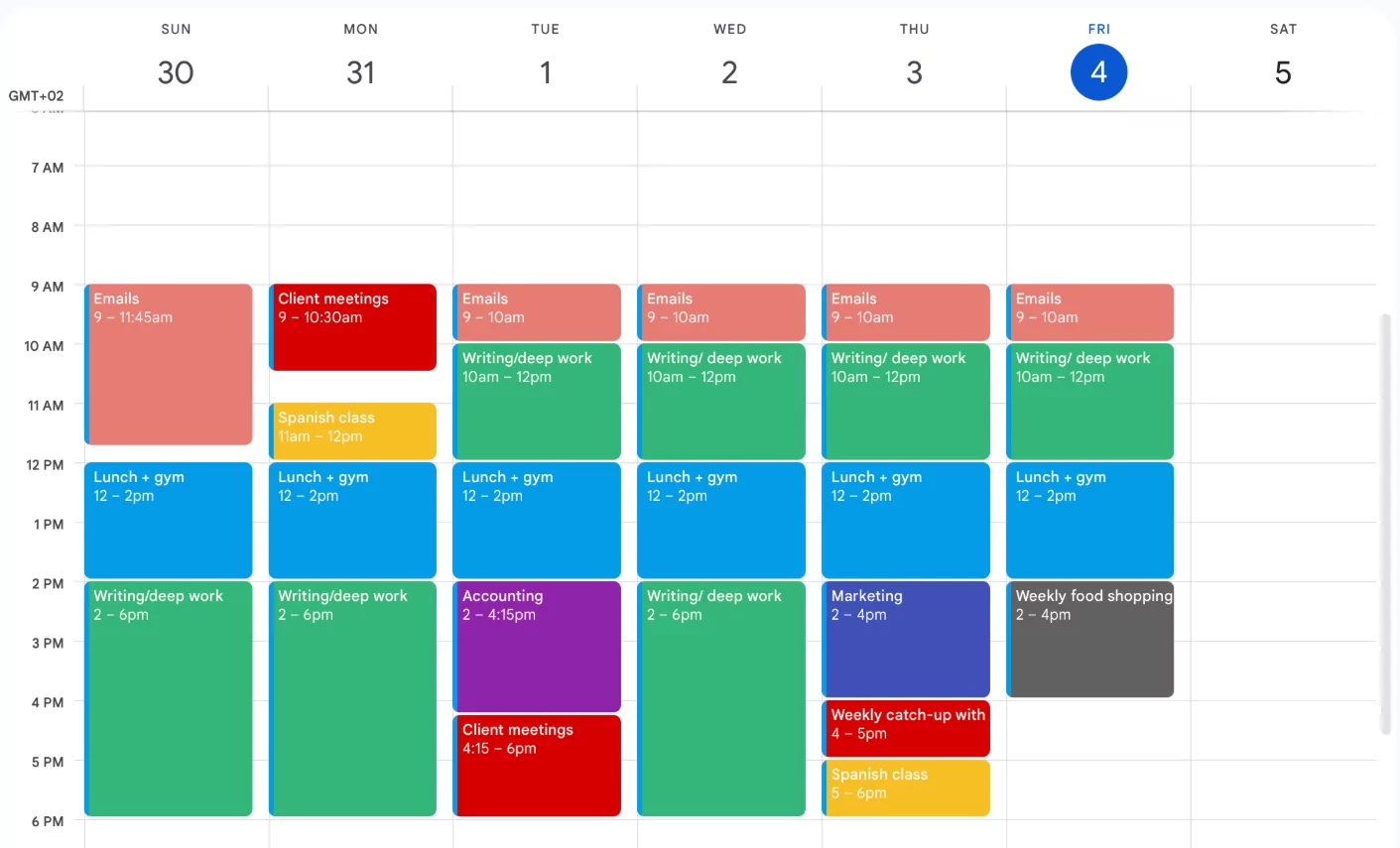
Why Traditional Scheduling Fails for Complex Schedules
Simple to-do lists and basic calendars often fail when schedules become layered and unpredictable. Complex schedules require more than just marking appointments—they need structure, prioritization, and flexibility.
Common challenges include:
- Overlapping commitments
- Frequent schedule changes
- Task switching and interruptions
- Difficulty identifying priorities
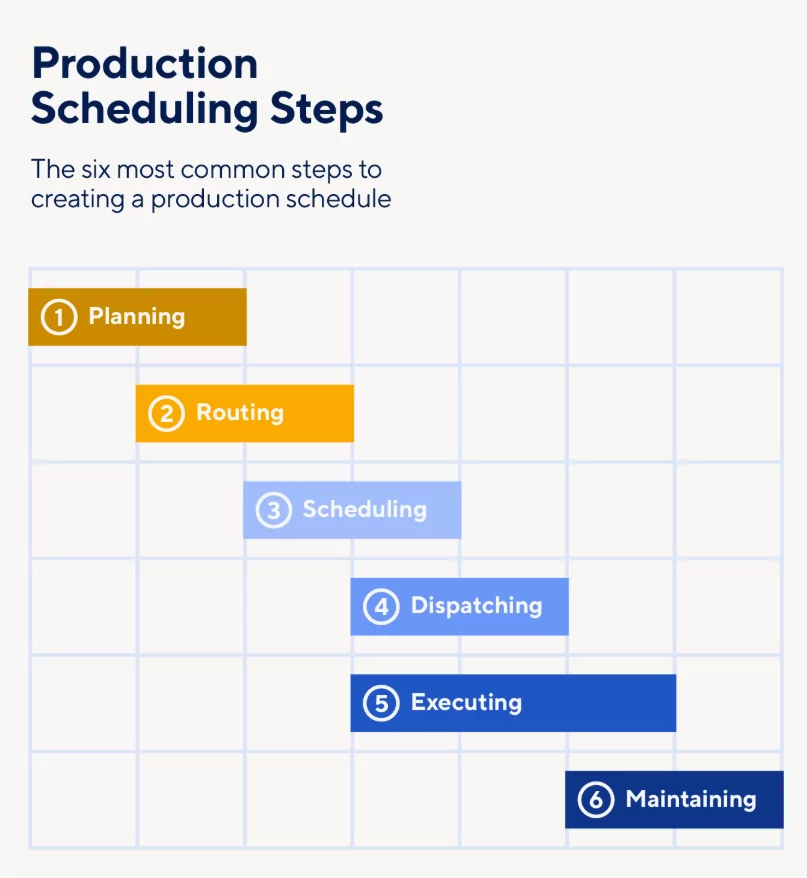
Time Blocking: The Foundation of Productive Calendars
Time blocking is one of the most effective calendar techniques for managing complexity. It involves assigning specific blocks of time to focused activities rather than vague task lists.
- Reduces decision fatigue
- Creates realistic expectations
- Protects focus time from interruptions
For complex schedules, time blocks should include buffer periods to absorb unexpected changes.
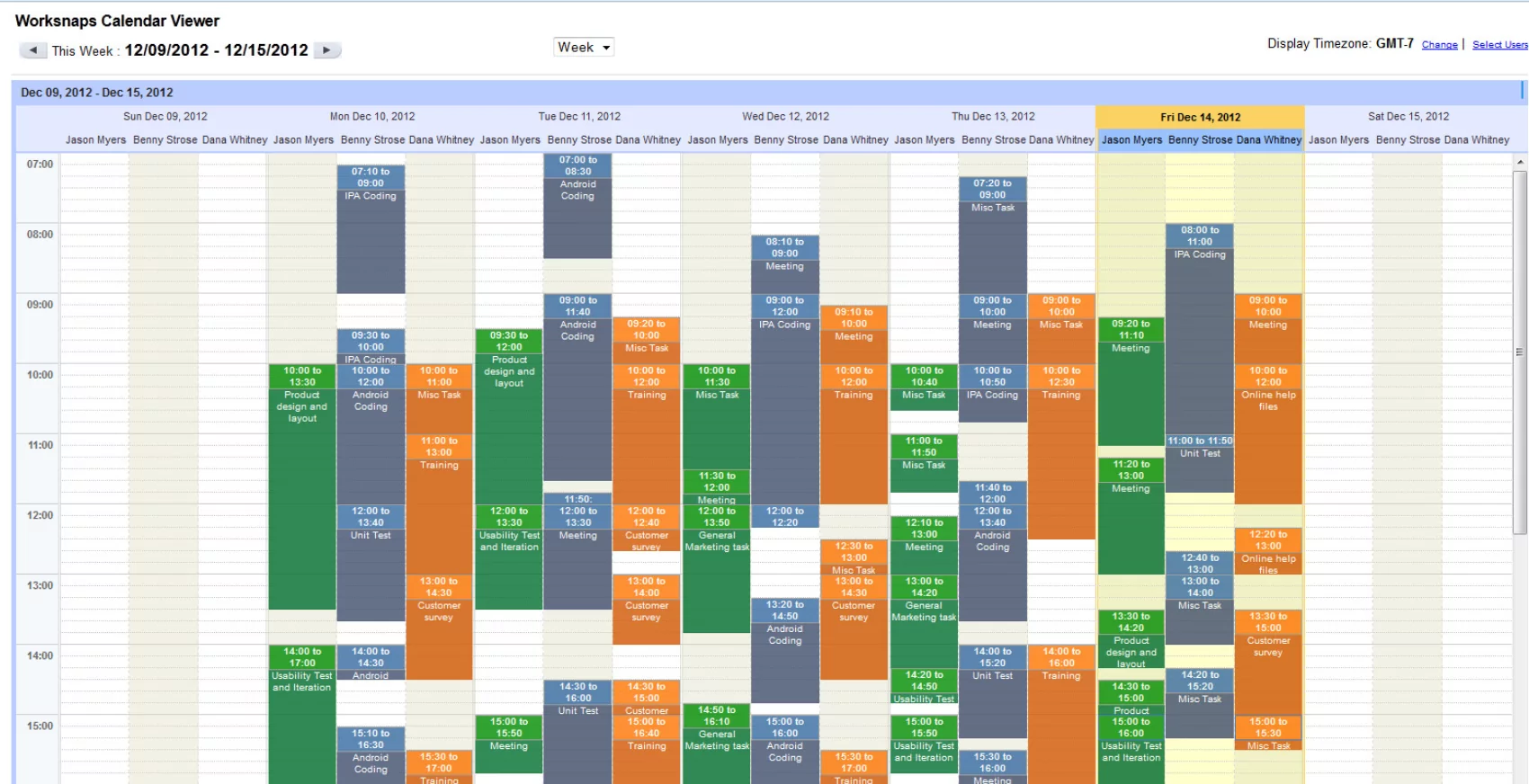
Theme Days for Mental Clarity
Theme days assign a primary focus to each day of the week, such as meetings, creative work, administration, or personal development.
This technique minimizes constant context switching and helps maintain deeper concentration throughout the day.
Layered Calendars for Better Organization
Using multiple calendar layers allows you to separate different areas of life while still seeing the full picture.
- Work commitments
- Personal responsibilities
- Health and wellness activities
- Long-term goals and projects
Color coding each layer improves clarity at a glance.
Priority-Based Scheduling
Instead of scheduling everything equally, priority-based calendars focus first on high-impact tasks.
Start by scheduling:
- Critical deadlines
- Deep work sessions
- Non-negotiable commitments
Lower-priority tasks fill the remaining space.
Weekly and Monthly Calendar Reviews
Regular reviews are essential for maintaining productivity with complex schedules.
- Weekly reviews adjust short-term plans
- Monthly reviews align schedules with long-term goals
This habit ensures your calendar reflects reality rather than outdated assumptions.
Strategic Use of Buffer Time
Buffer time protects your schedule from collapsing when delays occur. Adding small gaps between commitments prevents overbooking and reduces stress.
For complex schedules, buffer time is not optional—it is a productivity necessity.
Combining Digital and Visual Calendars
Digital calendars provide reminders and flexibility, while visual or printable calendars offer big-picture awareness. Many highly productive people use both systems together.
FAQ Section
What is the best calendar technique for complex schedules?
Time blocking combined with regular reviews is one of the most effective methods.
How many calendars should I use?
Using layered calendars within one system works better than managing multiple separate tools.
How often should I review my calendar?
A weekly review is essential, with a deeper monthly review for long-term alignment.
Why is buffer time important?
Buffer time absorbs delays and prevents schedule overload, improving productivity.
Can these techniques work for both work and personal life?
Yes. These techniques are most effective when applied to all areas of life.
