For content creators, planning around holidays and culturally relevant dates throughout 2026 is crucial for engagement, virality, and creative momentum. Holiday calendars enable creators to align content with trending conversations, maximize shareability, and stay ahead on planning. Whether you’re scheduling YouTube uploads, Instagram campaigns, TikTok reels, or blog articles, a well-organized holiday content calendar keeps your strategy timely and impactful.
This guide provides a thorough overview of key 2026 holidays—including international, national, and niche observances—alongside actionable planning tips and free template resources for digital creators. Set yourself up for a successful year by mapping out content opportunities and building a flexible, targeted schedule.
Why Holiday Calendars Matter for Creators
Holiday-based content consistently generates higher engagement, tapping into widespread seasonal searches, social trends, and emotional resonance. Popular dates like Valentine’s Day or Halloween see surges in demand for themed content, while regional and “fun” holidays (e.g., World Emoji Day, International Women’s Day) open new creative angles.
By planning content in advance around these dates, creators can:
- Increase discoverability through holiday-relevant keywords and hashtags
- Benefit from algorithmic boosts tied to trending topics
- Collaborate with brands seeking seasonal campaigns
- Reduce last-minute stress with pre-prepared themed assets
Key 2026 Holiday Dates for Content Creators
| Month | Major Holidays | Niche & Trending Dates |
|---|---|---|
| January | New Year’s Day (1st), Martin Luther King Jr Day (19th) | National Sticker Day (13th), Get Organized Day (14th) |
| February | Valentine’s Day (14th), Presidents’ Day (16th), Lunar New Year (17th) | World Cancer Day (4th), National Pizza Day (9th), Random Acts of Kindness Day (17th) |
| March | International Women’s Day (8th), St. Patrick’s Day (17th), Easter Sunday (29th) | Pi Day (14th), World Sleep Day (20th), Earth Hour (28th) |
| April | April Fools’ Day (1st), Earth Day (22nd), Ramadan Begins (18th) | National Siblings Day (10th), World Book Day (23rd) |
| May | Mother’s Day (10th), Memorial Day (25th) | Star Wars Day (May the 4th), National Teacher Day (5th) |
| June | Father’s Day (21st), Juneteenth (19th), Pride Month | World Environment Day (5th), Social Media Day (30th) |
| July | Independence Day (4th) | World Emoji Day (17th), Give Something Away Day (15th) |
| August | — | International Cat Day (8th), World Photo Day (19th) |
| September | Labor Day (7th), Rosh Hashanah (11th-12th) | Grandparents Day (13th), World Gratitude Day (21st) |
| October | Halloween (31st), Diwali (18th) | World Mental Health Day (10th), World Pasta Day (25th) |
| November | Thanksgiving (26th), Veterans Day (11th), Black Friday (27th) | World Kindness Day (13th), National Entrepreneurs Day (17th) |
| December | Hanukkah (7th-15th), Christmas (25th), New Year’s Eve (31st) | Ugly Christmas Sweater Day (18th), Boxing Day (26th) |
Planning Tips for a Successful Holiday Content Calendar
1. Map Out Your Year in Advance
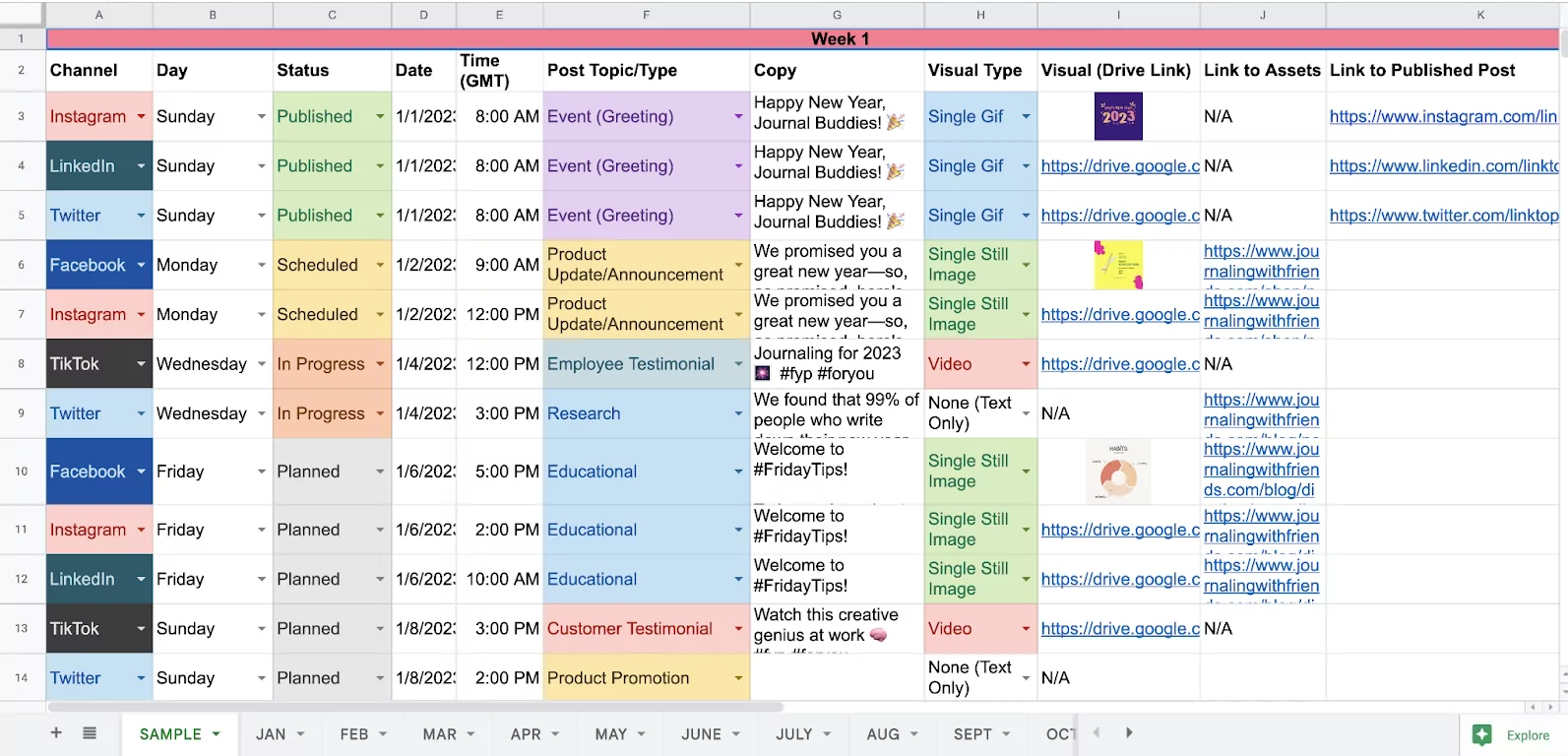
Use a customizable template (Google Sheets, Excel, or Canva) to create a broad overview of priority dates. Mark both major and niche holidays that match your brand voice, audience, and past content performance. Schedule reminders for 60, 30, and 7 days before each key date for research, asset creation, and queueing posts.
2. Batch Create Themed Content
Produce visual assets, videos, or blog posts for major upcoming holidays several weeks in advance. Batching saves time, maintains consistency, and avoids last-minute rush. Many creators find it helpful to dedicate one week per month for creating and editing all upcoming seasonal assets.
3. Follow Trends and Niche Hashtags
Monitor trending social hashtags (e.g., #AprilFools, #WorldBookDay) and integrate them with your planned content. Use platforms like Twitter’s Trending page and Instagram Explore to spot rising conversations. Revisit your plan monthly for spontaneous trend insertions.
4. Blend Local, National, and Global Dates
Mix universally celebrated holidays with culturally relevant or region-specific observations, especially if your audience is global. Add country-specific holidays or religious observances—Ramadan, Diwali, or Hanukkah—to reach broader audiences and show cultural awareness.
5. Track Analytics and Refine Your Plan
After each holiday, use analytics tools to review content performance by engagement, reach, and conversions. Note which holidays and types of posts drove the most value, and adjust your next year’s calendar accordingly. Keep an archive of successful posts as references for future planning.
Template Resources for Content Creators
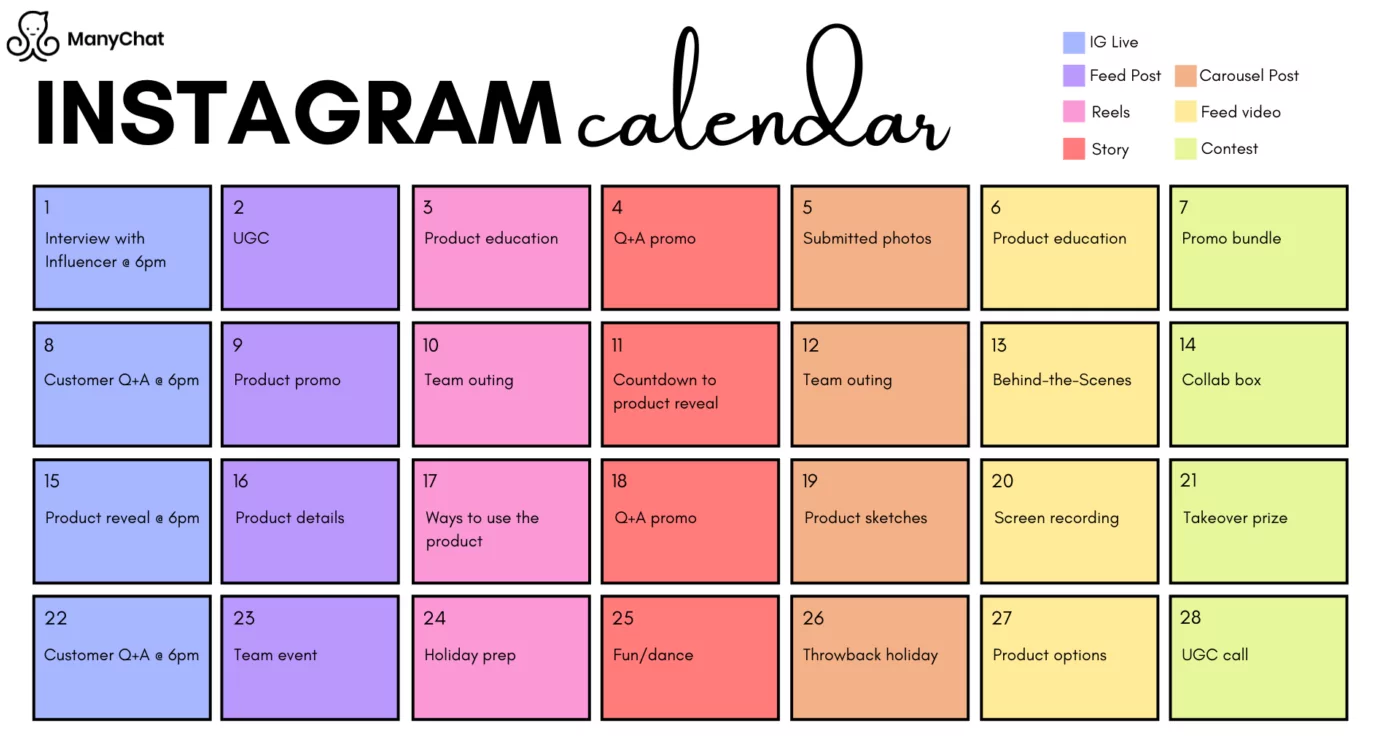
- Canva: Search “holiday calendar” or “content planner” on Canva for stylish, drag-and-drop templates you can download and print.
- Google Sheets: Free, customizable calendars for tracking daily, weekly, or monthly content themes. Add color-coding for holidays and campaigns.
- Excel: Platforms like Vertex42 offer editable Excel calendars—great for adding columns for channel, theme, deadlines, and posting status.
- Adobe Express: Choose from creative calendar templates or use their AI tools to quickly generate visually appealing plans for branded content around holidays.
- Smartsheet: Provides Google Calendar templates including holiday-date integration and robust planning features.
Best Practices for Holiday Content Planning
- Start Early: Research, script, and shoot holiday campaigns at least a month in advance to maximize reach.
- Keep Content Evergreen: Include holiday campaigns that remain relevant across years (e.g., “5 Creative Easter Ideas”).
- Enhance with Visuals: For each holiday, use compelling visuals—videos, graphics, memes, and infographics that resonate on social media feeds.
- Leverage User-Generated Content: Encourage audience participation with contests or hashtag campaigns centered around holidays.
- Stay Authentic: Choose holidays that fit your brand story and audience interests rather than following every trend.
- Review and Recycle: At year’s end, analyze what worked and adapt your calendar templates for 2027.
Common Mistakes to Avoid
- Ignoring Local Holidays: Omitting region-specific or cultural holidays can limit your reach and turn off potential followers.
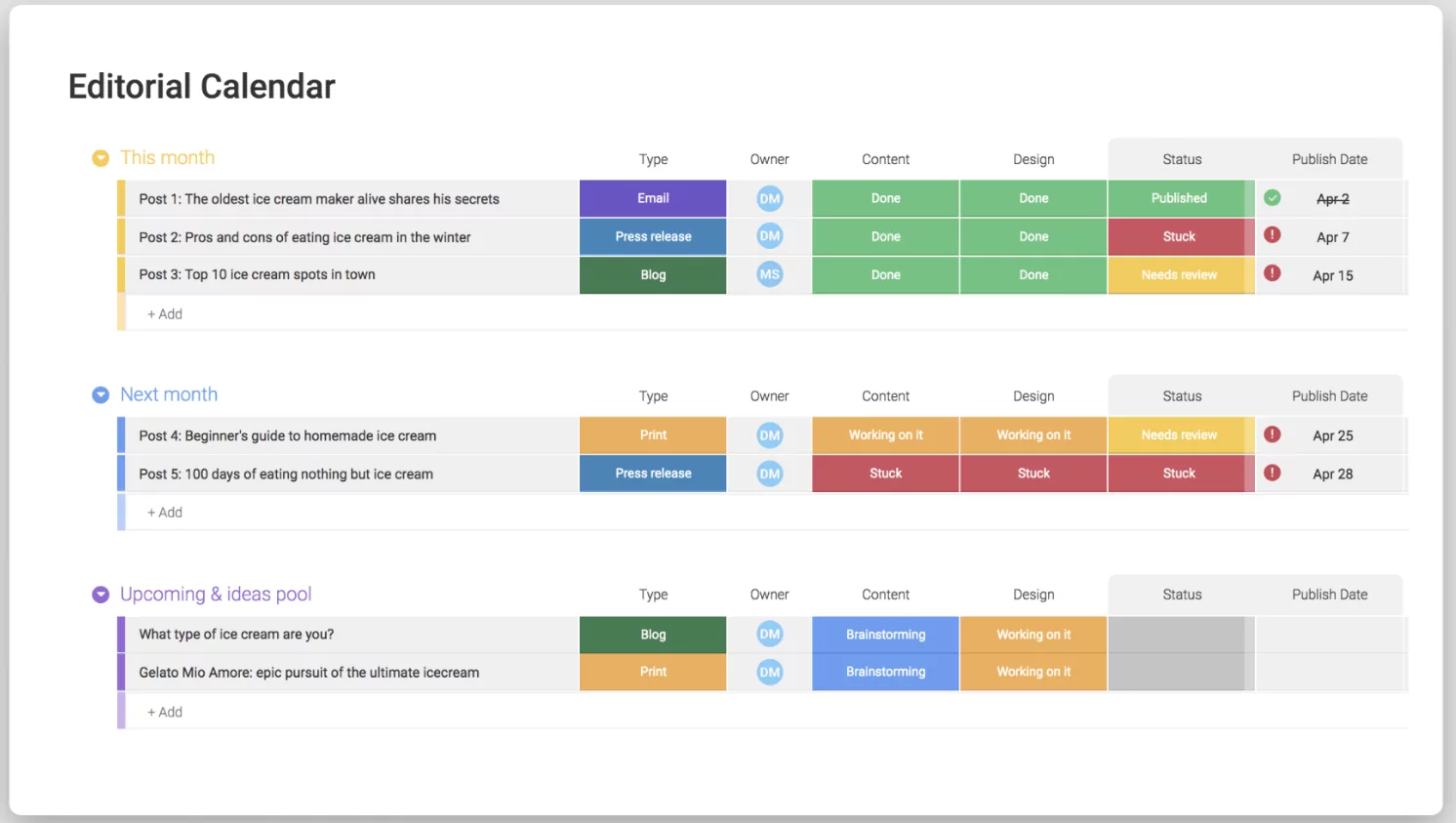
- Poor Time Management: Last-minute content is usually rushed and yields lower engagement. Use calendar reminders for prep.
- Overstuffing the Calendar: Not every holiday needs dedicated content—focus on those most relevant to your brand and audience.
- Inconsistent Branding: Maintain visual and tonal consistency across holiday campaigns, even when experimenting with humor or new trends.
Strategic use of a content creator’s holiday calendar gives you a competitive edge—ensuring your content lands at the right moments with the strongest impact. From major holidays to quirky social media events, planning ahead with the right templates and workflow streamlines your process and increases engagement. Download a free calendar template, research important 2026 dates, and start mapping your path to a memorable, successful year of content creation.
