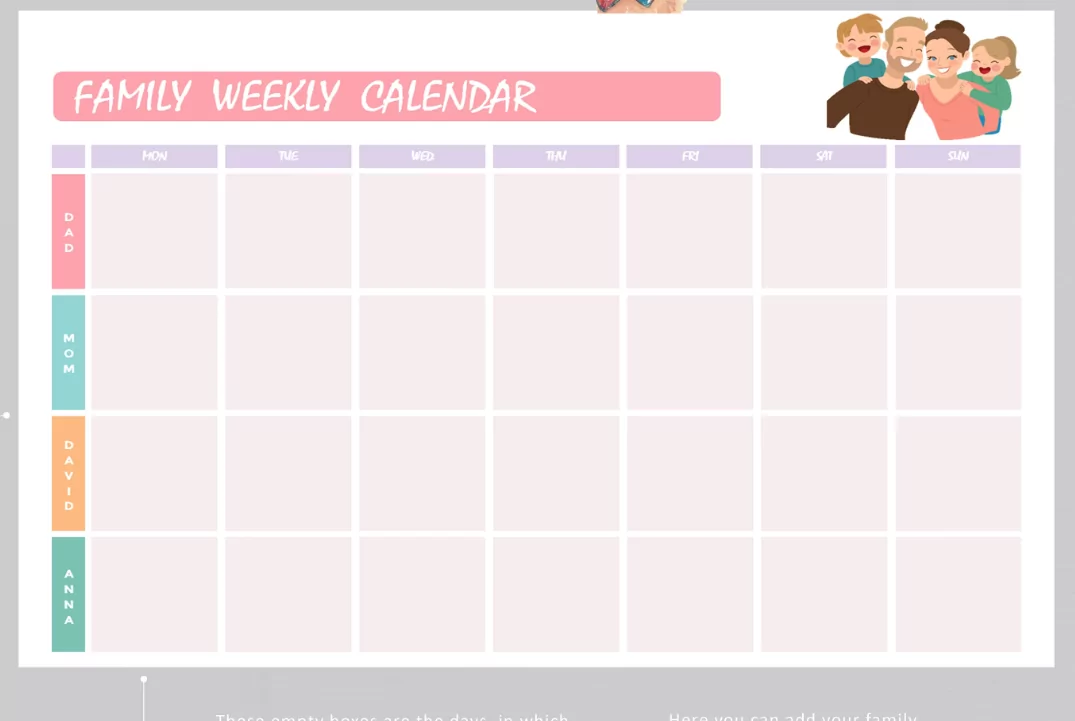
A home and family cultural calendar is far more than a planner—it is a reflection of shared rhythms, time cycles, and deeply held traditions that give meaning and structure to daily life and family culture. Understanding its cycles, specific days, and symbolic meanings helps families connect, create a sense of security, and pass on values across generations.
Cycles in the Family Cultural Calendar
Family and cultural calendars operate with various cycles, from daily routines to annual traditions. These cycles include:
- Daily and weekly rhythms: Simple recurring patterns—like shared meals or bedtime rituals—become the pulse of family life and often emerge from both habit and mindful intention. Reliable rhythms anchor family members and foster emotional security, while disruptions can lead to feelings of unease or disconnection.
- Seasonal and annual cycles: Special cultural traditions and holidays—such as fasting periods, harvest festivals, school years, and new year celebrations—structure the calendar and mark transitions, accomplishments, or new beginnings. Cycles may also reflect the natural world, with autumn slowing activities and winter inviting rest.
- Life cycles: Cultural calendars can also map human development cycles, with major events (birth, marriage, retirement, and death) being commemorated according to cultural or religious custom.
Meaning of Specific Days and Rituals
Specific days on the family cultural calendar hold unique significance:
- Holy days and holidays: Major religious and cultural celebrations (e.g., Christmas, Kwanzaa, Diwali, Ramadan, birthdays, anniversaries) are typically marked for celebration, gratitude, and communal gathering.
- Ceremonial days: In some cultures, days are chosen for rituals honoring ancestors, transitions into adulthood, or other significant rites. For example, Celtic tradition links solstices and equinoxes to life stages: winter solstice with new beginnings, spring with growing independence, summer with mastery, and autumn with wisdom.
- Unique local markers: Balinese, Aztec, or other indigenous calendars feature special cycles and named days (like Bali’s Pawukon cycles or Tumpek days) that mark agricultural, spiritual, or familial milestones, each imbued with symbolism and purpose.
- Family traditions: Monthly, quarterly, or annual traditions—such as game nights, community service, or reunions—help renew family bonds and ensure families maintain meaningful habits with intention.
Symbolic and Emotional Significance
The cycles and rituals in a home calendar do much more than schedule time:
- Cultivating security: Regular rhythms and meaningful days reinforce predictability and structure, providing comfort to children and adults alike.
- Passing on cultural language and values: Daily, seasonal, and life-event markers teach children about family heritage and the deeper significance behind conventions and holidays.
- Facilitating connection: Shared recognition of special days and cycles strengthens family and communal bonds, making celebrations and transitions more memorable and emotionally resonant.
Conclusion
A family cultural calendar weaves together cycles, rituals, and symbolic days to create meaning, connection, and continuity. By understanding the structure behind these calendars, families can nurture emotional security, celebrate milestones authentically, and pass traditions to future generations in ways that are intentional and deeply rooted in their unique heritage.