Tracking your fitness and health progress becomes far more effective when you use a well-optimized calendar system. In today’s fast-paced world, people want simple but powerful tools that help them stay committed to workouts, diet plans, sleep routines, and overall wellness goals. This guide provides the best practical example of calendar optimization that works for tracking fitness and health progress, along with proven methods, expert strategies, and templates you can start using immediately.
Whether you’re trying to lose weight, build muscle, improve flexibility, or develop healthier habits, a well-structured calendar can dramatically transform your consistency and long-term success.
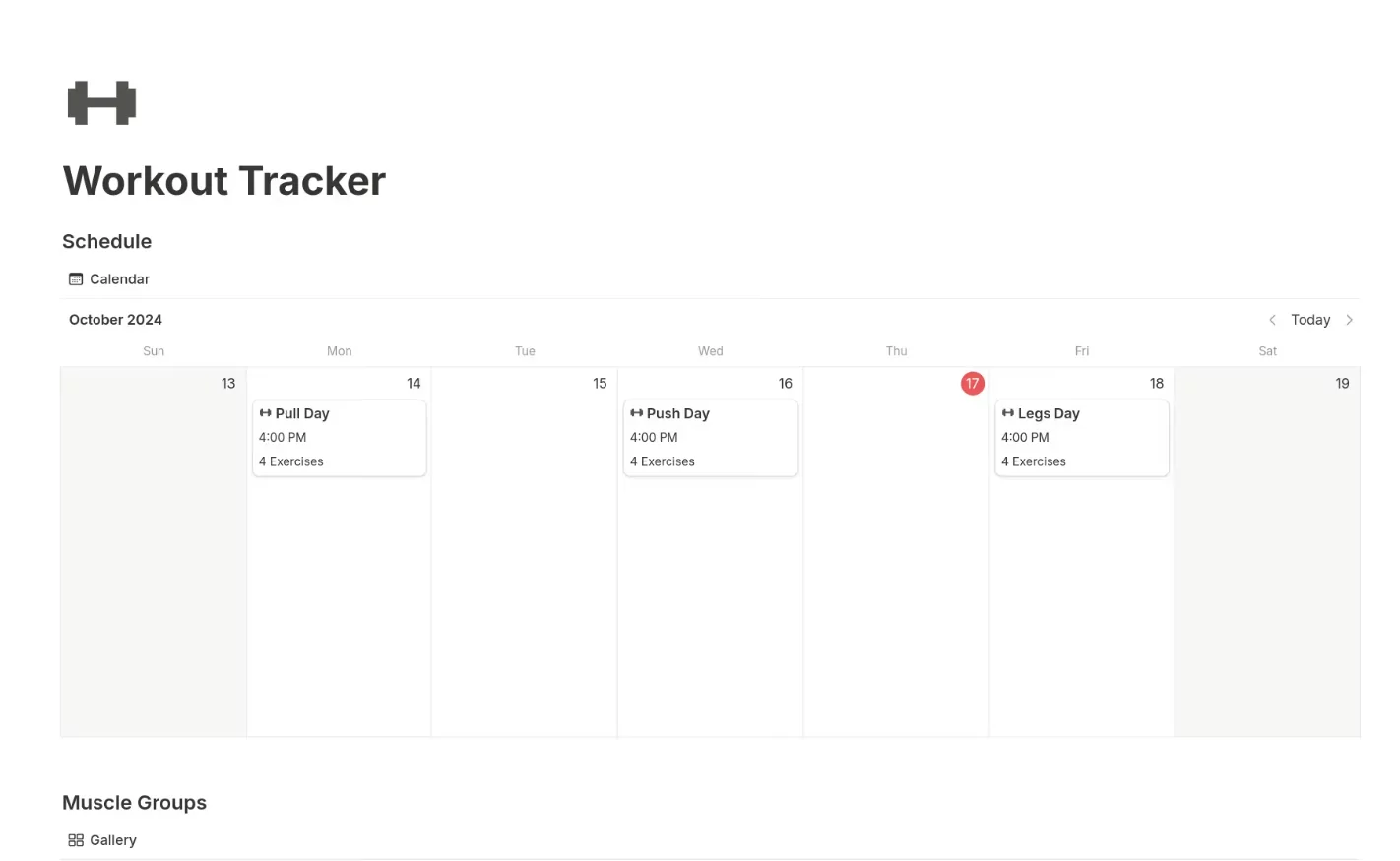
Why Calendar Optimization Matters for Fitness and Health
Most people fail to maintain fitness routines because they rely on motivation rather than systems. A structured calendar eliminates guesswork and provides accountability, clarity, and direction.
Main benefits include:
- Clear visual structure for workouts, meals, sleep, and milestones
- Consistency in training and habit formation
- Better time management for busy schedules
- Reduced burnout by balancing rest and activity
- Improved progress tracking through measurable metrics
- Higher motivation through daily and weekly achievements
With an optimized calendar, your fitness journey becomes easier to manage and significantly more rewarding.
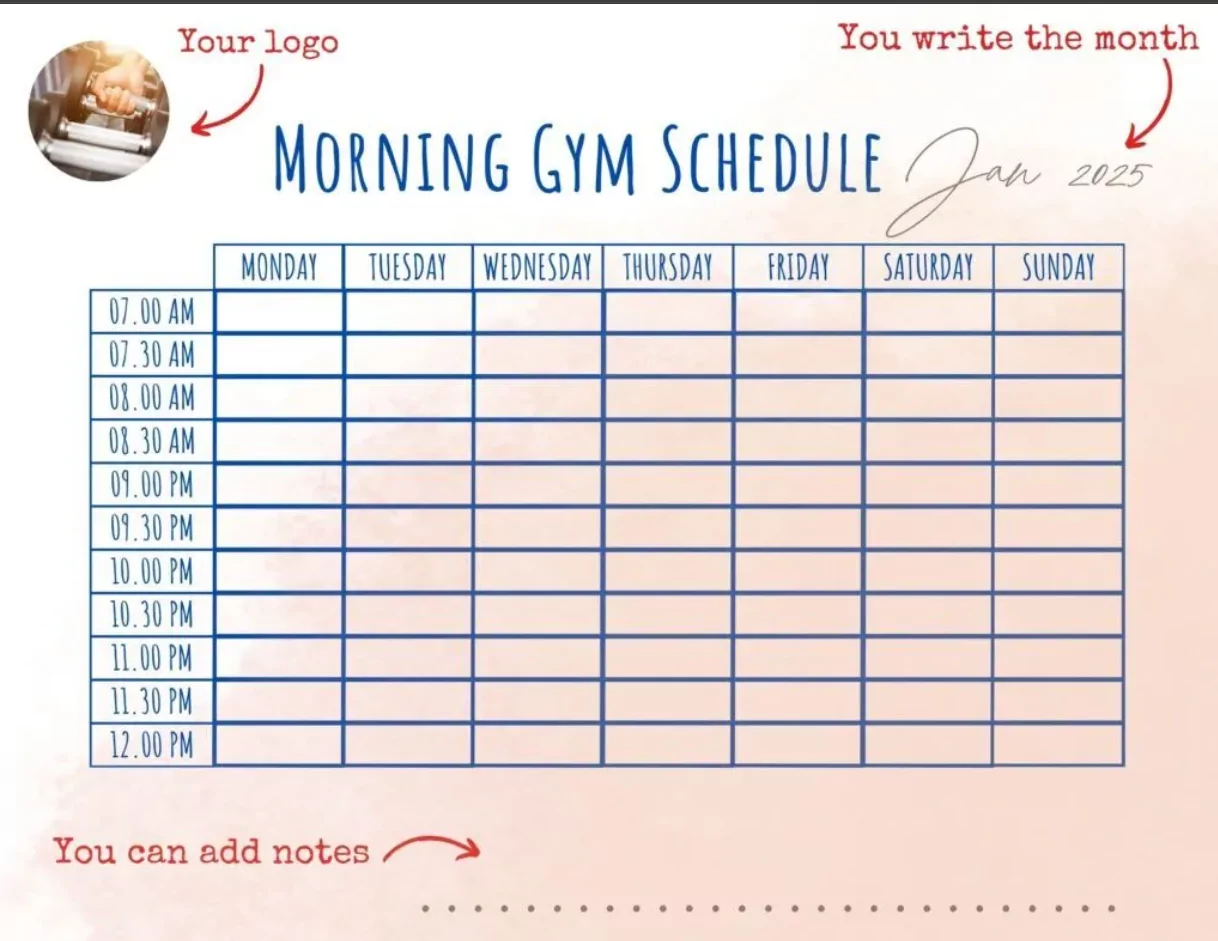
The Best Practical Example of Calendar Optimization: The 4-Section Fitness Tracking System
One of the most reliable, beginner-friendly methods is the 4-section fitness and health optimization calendar. This calendar system organizes your schedule into four essential components:
The Four Sections:
- Workout Planning – strength, cardio, flexibility, rest days
- Nutrition Tracking – meals, macros, hydration
- Sleep & Recovery Scheduling – bedtime routines, rest indicators
- Progress Monitoring – weight, measurements, milestones
This comprehensive approach ensures every aspect of your health journey is covered, helping you improve your fitness while staying balanced and injury-free.
Section 1: Workout Planning
Your fitness calendar should outline exactly what workout you do each day. Consistency is easier when you don’t waste time deciding what to do next.
Examples of Weekly Workout Layouts:
Beginner-Friendly Weekly Plan:
- Monday – Full-body workout
- Tuesday – Light cardio & stretching
- Wednesday – Strength training (upper body)
- Thursday – Rest or yoga
- Friday – Strength training (lower body)
- Saturday – Outdoor activity (walk, swim, cycling)
- Sunday – Rest
Advanced Weekly Plan:
- Monday – Push workout (chest, shoulders, triceps)
- Tuesday – Pull workout (back, biceps)
- Wednesday – Cardio + abs
- Thursday – Legs + glutes
- Friday – HIIT or high-intensity training
- Saturday – Mobility training
- Sunday – Rest
Your calendar should also include start times, estimated duration, and intensity level for each workout session.
Section 2: Nutrition Tracking
Fitness is 30% training and 70% nutrition. A calendar helps you stay consistent with meal planning and hydration goals.
Examples of Nutrition Tracking Entries:
- Meal templates: Breakfast – Protein smoothie; Lunch – Chicken bowl; Dinner – Salmon & veggies
- Daily hydration goal: 2–3 liters of water
- Macro targets: 130g protein, 200g carbs, 60g fats
- Diet reminders: No sugar after 8 PM; 1 fruit/day
- Weekly meal prep days: Sunday & Wednesday
By visually mapping out your meals, you eliminate unhealthy choices and stay aligned with your fitness goals.
Section 3: Sleep & Recovery Scheduling
Sleep is the foundation of health, yet it’s often overlooked in fitness tracking. A fitness-optimized calendar ensures you prioritize rest and recovery.
Components to Include:
- Bedtime schedule: Sleep by 10:30 PM
- Sleep duration target: 7–9 hours/night
- Active recovery: stretching, foam rolling, light movement
- Rest days: fully scheduled in the calendar
A well-rested body performs better, burns more calories, and recovers faster after workouts.
Section 4: Progress Monitoring
Tracking progress motivates you and helps evaluate the effectiveness of your routine.
What to track weekly:
- Weight
- Body measurements: waist, hips, chest, arms
- Workout performance: sets, reps, and weights
- Before/after photos
- Energy level
- Mood & overall wellness
Using your calendar to track these indicators ensures you stay aware of your progress and can adjust your goals accordingly.
Putting It All Together: Example Fitness Calendar Layout
Here is a practical example of what your optimized fitness calendar might look like for one week:
Weekly Optimized Health Calendar:
- Monday: Full-body workout, high-protein meals, 8 hours sleep
- Tuesday: Cardio + stretching, hydration goal 3L, track macros
- Wednesday: Upper body strength, evening walk, meal prep
- Thursday: Rest day + mobility session, mindfulness activity
- Friday: Lower body training, increase weights by 5%, sleep 8 hours
- Saturday: Outdoor activity + light yoga, check weekly progress
- Sunday: Weekly review, weigh-in, set goals for next week
This format gives clarity and structure without feeling overwhelming.
Tools for Calendar Optimization
You can use digital or printable tools depending on your preference.
Recommended digital tools:
- Google Calendar (ideal for reminders)
- Notion (custom health dashboards)
- Apple Calendar (syncs across devices)
- MyFitnessPal (nutrition tracking)
- Fitbit or Garmin (activity & sleep tracking)
Recommended printable templates:
- Weekly fitness planners
- Habit trackers
- Meal planning calendars
- Progress log sheets
The key is consistency—not the tool itself.
Expert Tips to Enhance Your Fitness Calendar System
- Set realistic weekly goals to stay motivated
- Use colors to differentiate workouts, meals, and rest days
- Schedule workouts like appointments—non-negotiable
- Overestimate time needed to avoid stress
- Review weekly to adjust intensity and pacing
- Reward yourself for achieving milestones
These expert tips ensure your calendar works for you—not against you.
Conclusion
The best practical example of calendar optimization for tracking fitness and health progress involves a four-section system that organizes your workouts, nutrition, sleep, and progress into one powerful weekly calendar. By using this structure consistently, you create a sustainable routine that improves your physical and mental well-being over time.
Whether you prefer digital tools or printable templates, this system helps you stay focused, motivated, and aligned with your health goals. Start today and transform your fitness journey with smart calendar optimization.
FAQ – Calendar Optimization for Tracking Fitness and Health Progress
Why is a calendar useful for tracking fitness and health progress?
A calendar provides structure and accountability by organizing workouts, meals, sleep, and progress indicators in one place. It helps you stay consistent, avoid missed sessions, and visually monitor improvements over time.
What should I include in a fitness and health tracking calendar?
Include daily workout plans, meal schedules, hydration goals, sleep routines, rest days, and weekly progress check-ins such as body measurements, energy levels, or weight tracking.
How often should I update my fitness calendar?
You should update your calendar daily for workouts and habits, and review it weekly to evaluate progress, make adjustments, and plan the next week’s training and nutrition goals.
Can calendar optimization help beginners stay consistent?
Yes. Beginners benefit greatly because a well-structured calendar removes guesswork, sets clear expectations, and offers motivation through visible progress and daily achievements.
What tools work best for calendar optimization in fitness tracking?
Digital tools like Google Calendar, Notion, Apple Calendar, Fitbit, Garmin, and MyFitnessPal are excellent for reminders and detailed tracking. Printable fitness planners or weekly calendars also work well for visual planners.
