Managing a busy schedule can feel overwhelming when work, family, health, and personal goals compete for attention. One of the most effective yet overlooked strategies for better time management is combining meal planning with structured weekly routines.
This guide explains how meal planning and weekly routines work together to help you organize your schedule, reduce daily stress, and create more consistency in your life.
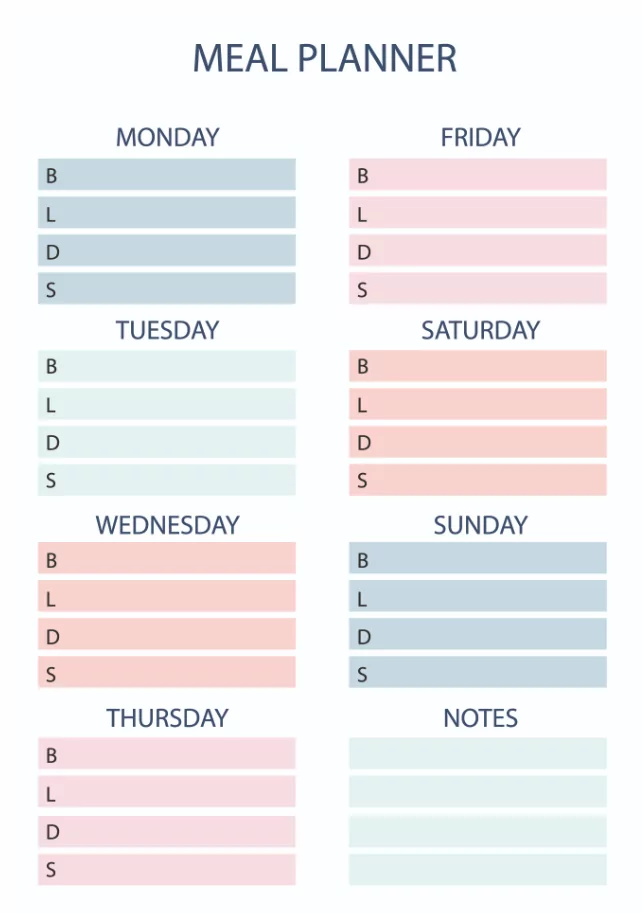
Why Meal Planning Supports Better Schedule Organization
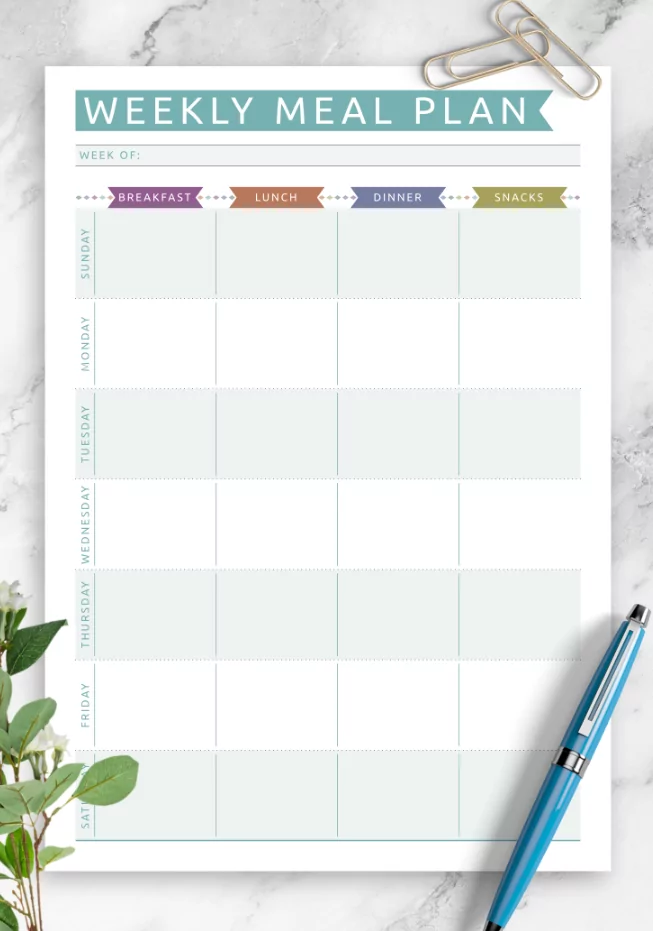
Meal planning removes daily decision-making around food, which saves time and mental energy. When meals are planned in advance, shopping, cooking, and eating become predictable parts of your weekly routine.
Key benefits include:
- Less time spent deciding what to eat
- Fewer last-minute grocery trips
- Improved nutrition and portion control
- Better alignment between meals and daily activities
The Connection Between Weekly Routines and Time Management
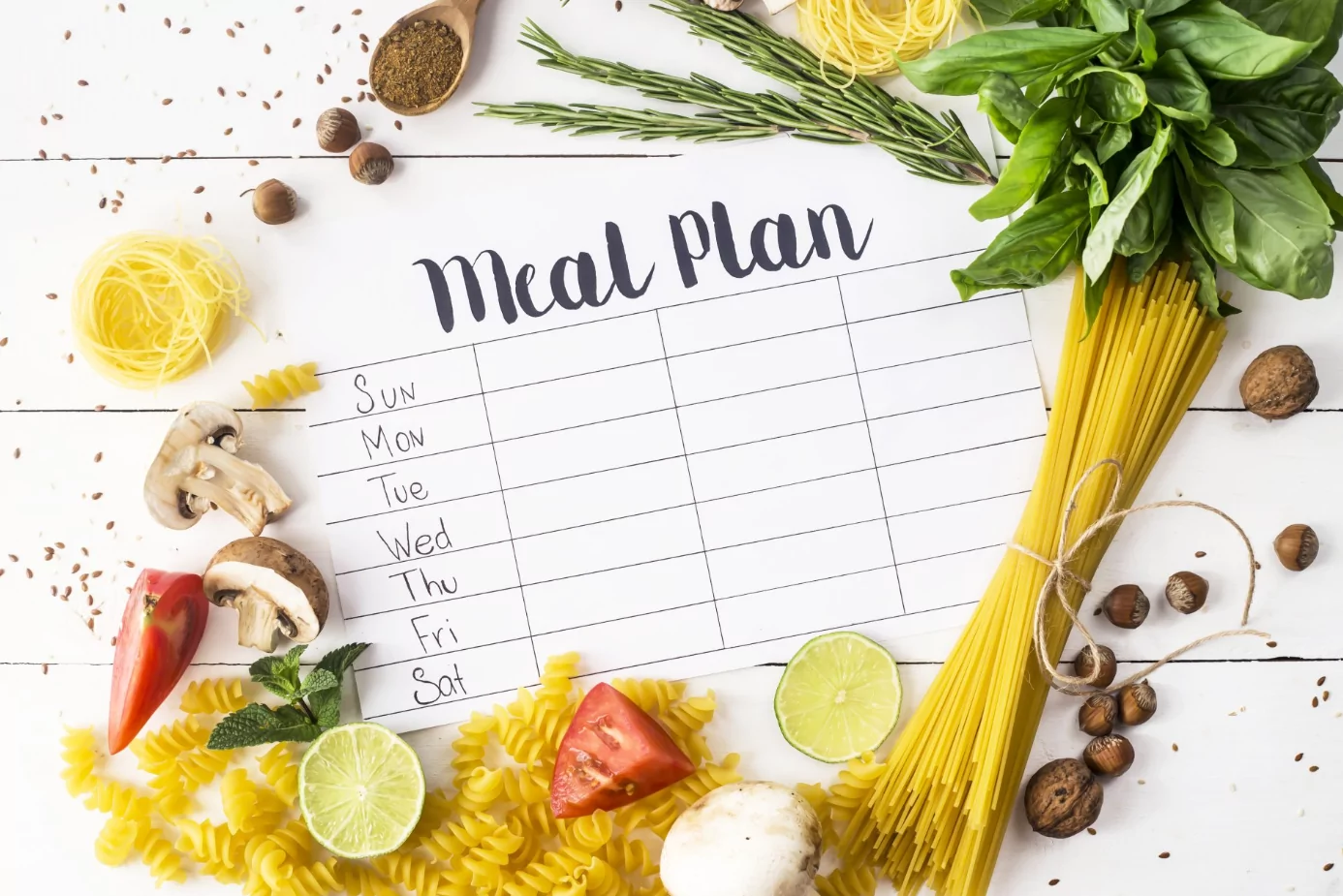
Weekly routines create structure. When certain activities happen on the same day each week, your schedule becomes easier to manage and maintain.
Examples of routine-based planning include:
- Meal prep on weekends
- Grocery shopping on a fixed day
- Consistent workout or family time blocks
- Regular cleaning or admin days
Step 1: Review Your Weekly Commitments
Start by mapping out your fixed responsibilities, such as work hours, school schedules, and appointments. This creates a foundation for building routines and planning meals realistically.
Step 2: Create a Weekly Meal Plan
Plan meals based on your actual schedule. Choose simpler meals for busy days and more involved recipes when you have more time.
- Assign meals to specific days
- Plan leftovers strategically
- Include quick options for unexpected changes
Step 3: Schedule Meal Prep and Grocery Shopping
Set a recurring time for grocery shopping and meal prep. Treat these as non-negotiable calendar events to maintain consistency.
Step 4: Build Weekly Routines Around Energy Levels
Align tasks with your natural energy patterns. For example, plan cooking or meal prep when you feel most focused, and keep low-energy days simple.
Step 5: Use a Calendar or Planner System
Track meals and routines in a digital or printable calendar. Seeing your week visually helps identify gaps, reduce overbooking, and maintain balance.
Benefits of Combining Meal Planning with Weekly Routines
- More predictable daily schedules
- Reduced stress and decision fatigue
- Improved time efficiency
- Healthier eating habits
- Better work-life balance
Common Mistakes to Avoid
- Overplanning complex meals for busy days
- Ignoring flexibility when plans change
- Skipping routine reviews
- Not aligning meals with actual time availability
Who Benefits Most from This Planning Method?
This approach is ideal for working professionals, families, students, remote workers, and anyone looking to simplify their weekly schedule.
Printable vs Digital Planning Tools
Printable planners provide a clear weekly overview, while digital tools offer reminders and easy updates. Many people find a hybrid system works best.
Conclusion
Organizing your schedule using meal planning and weekly routines creates a reliable framework for managing time more effectively. By reducing daily decisions and establishing consistent habits, you free up energy for more important priorities.
With a realistic plan and regular reviews, meal planning and weekly routines can transform chaos into a calm, organized schedule.
FAQ Section
How does meal planning help with schedule organization?
Meal planning reduces daily decisions and creates predictable routines that save time.
How often should I plan my meals?
Weekly meal planning works best for most people and aligns well with weekly routines.
Can meal planning work with a busy schedule?
Yes. Planning simple meals on busy days improves consistency and reduces stress.
Should I use a digital or printable planner?
Both are effective. Digital planners offer reminders, while printable planners provide visual clarity.
What if my schedule changes frequently?
Build flexibility into your meal plan with backup meals and adaptable routines.
