The travel planning calendar has evolved dramatically over centuries, transforming from simple paper-based itineraries to sophisticated digital systems integrating maps, weather forecasts, and real-time booking capabilities. Understanding this evolution reveals how technological advancement, consumer behavior shifts, and travel industry changes shaped the tools travelers use today. This comprehensive guide traces the history of travel planning calendars from ancient traditions through the modern digital era of 2025.
Ancient Origins: The Birth of Travel Planning
Early Travel Records (500 BCE – 1500 CE)
Before formal calendars, travelers relied on oral traditions, celestial navigation, and natural markers to plan journeys. Ancient merchants and explorers documented routes and timings on tablets and scrolls. The Silk Road traders developed route maps noting seasonal weather patterns, water sources, and trading post locations—essentially the first travel itineraries.
Medieval pilgrimage routes, such as those to Santiago de Compostela, were documented in simple hand-drawn maps and guidebooks detailing stopping points and travel timelines. These early travel guides represented the first standardized planning systems, helping pilgrims coordinate multi-week journeys.
Age of Exploration (1400s-1600s)
As maritime exploration accelerated, captains and navigators developed detailed voyage logs recording dates, coordinates, weather conditions, and supply consumption rates. These documents functioned as planning calendars, helping subsequent expeditions plan similar routes with better resource allocation. Navigation almanacs—precursors to modern travel guides—compiled seasonal sailing conditions and recommended travel windows.
Industrial Era: The Paper Calendar Revolution (1700s-1900s)
The Birth of Printed Travel Calendars
The printing press revolutionized travel planning. Published calendars, almanacs, and guidebooks became affordable and widespread. Karl Baedeker’s travel guides, first published in 1836, included detailed itineraries, seasonal recommendations, and calendar-based planning suggestions. These guides standardized travel planning methodology and influenced travel culture for over a century.
Railway and Steamship Era
The 19th-century transportation revolution—railways and steamships—created published timetables and schedules. Travel agencies emerged, with clerks using wall-mounted calendars and ledgers to coordinate bookings, creating the first professional travel planning systems. Paper calendars became essential tools for organizing complex multi-leg journeys.
Key Innovations
- Published railway timetables (1830s onward)
- Steamship schedule calendars
- Hotel reservation ledgers tied to seasonal calendars
- Tour operator itinerary calendars
The 20th Century: Standardization and Organization
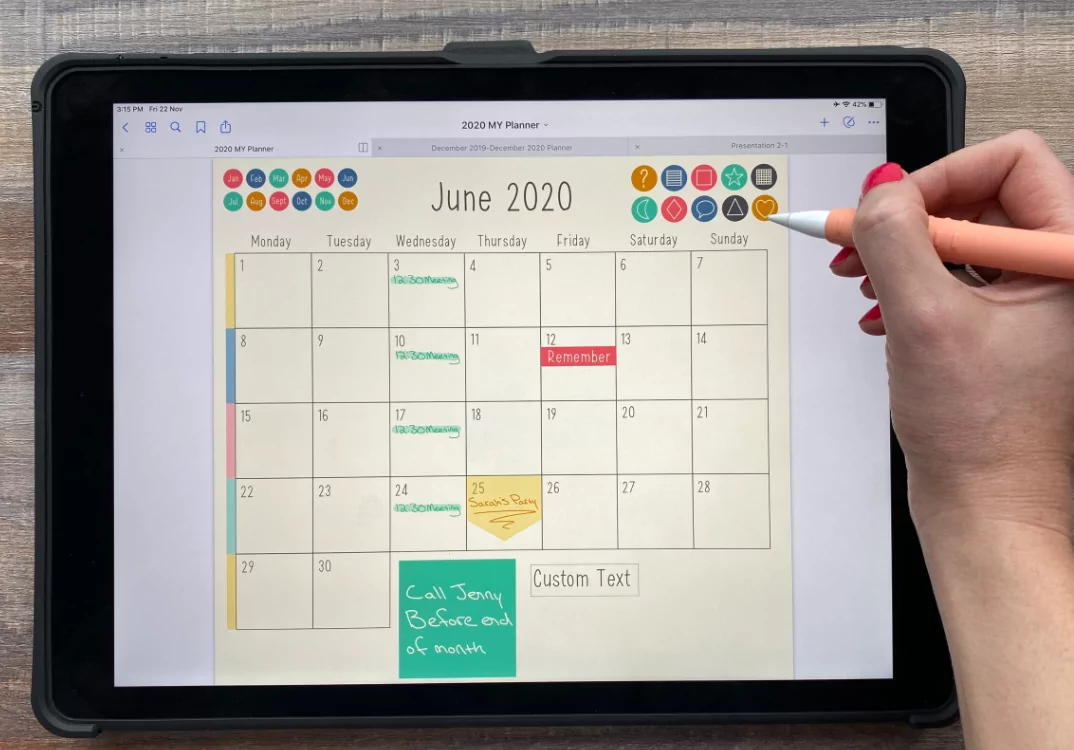
Early 20th-century travel planning relied on paper calendars, guidebooks, and personal travel diaries. Travel agents used complex paper systems coordinating reservations, payments, and itineraries. Travelers maintained personal travel journals documenting planned and actual experiences.
Post-WWII tourism boom increased travel complexity. Package tours emerged, with operators publishing seasonal calendars highlighting recommended destinations, optimal weather windows, and special events. Travel calendars became mass-market products with printed seasonal recommendations.
Digital Transition: Early Computerization (1980s-1990s)
Computer Reservation Systems
Airline and hotel computer reservation systems emerged in the 1980s, replacing manual calendar-based booking processes. These systems included basic calendar views showing availability and pricing across date ranges—the first digital travel calendars.
Personal Computers and Travel Planning
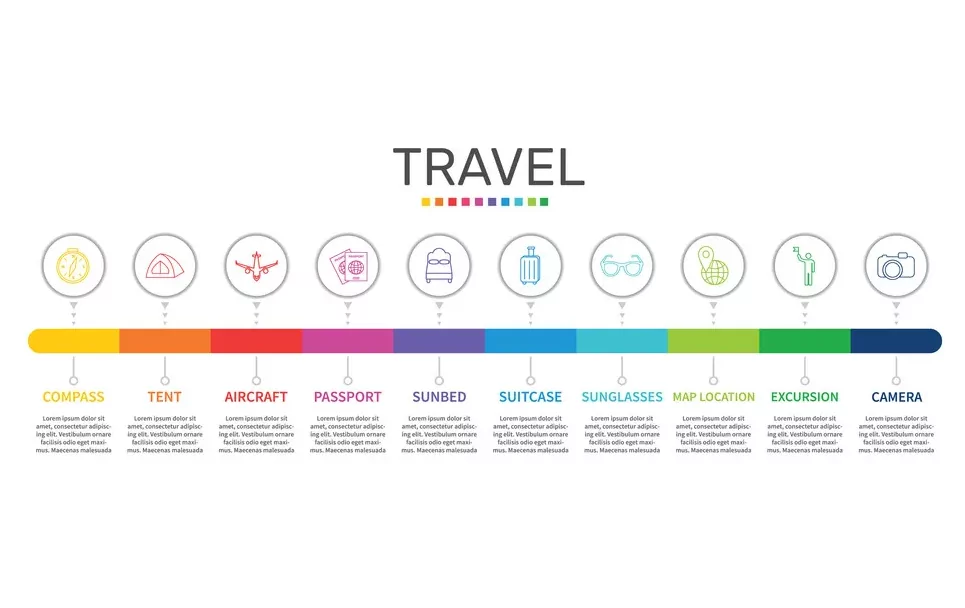
Desktop software in the 1990s enabled individuals to create digital itineraries. Simple spreadsheet programs and early travel planning software allowed color-coded calendars marking flights, hotels, and activities. Websites like Expedia (1995) and Travelocity (1996) brought digital calendar views to consumers, showing real-time availability and pricing.
Internet Era: Web-Based Travel Calendars (2000s)
Online Travel Agencies
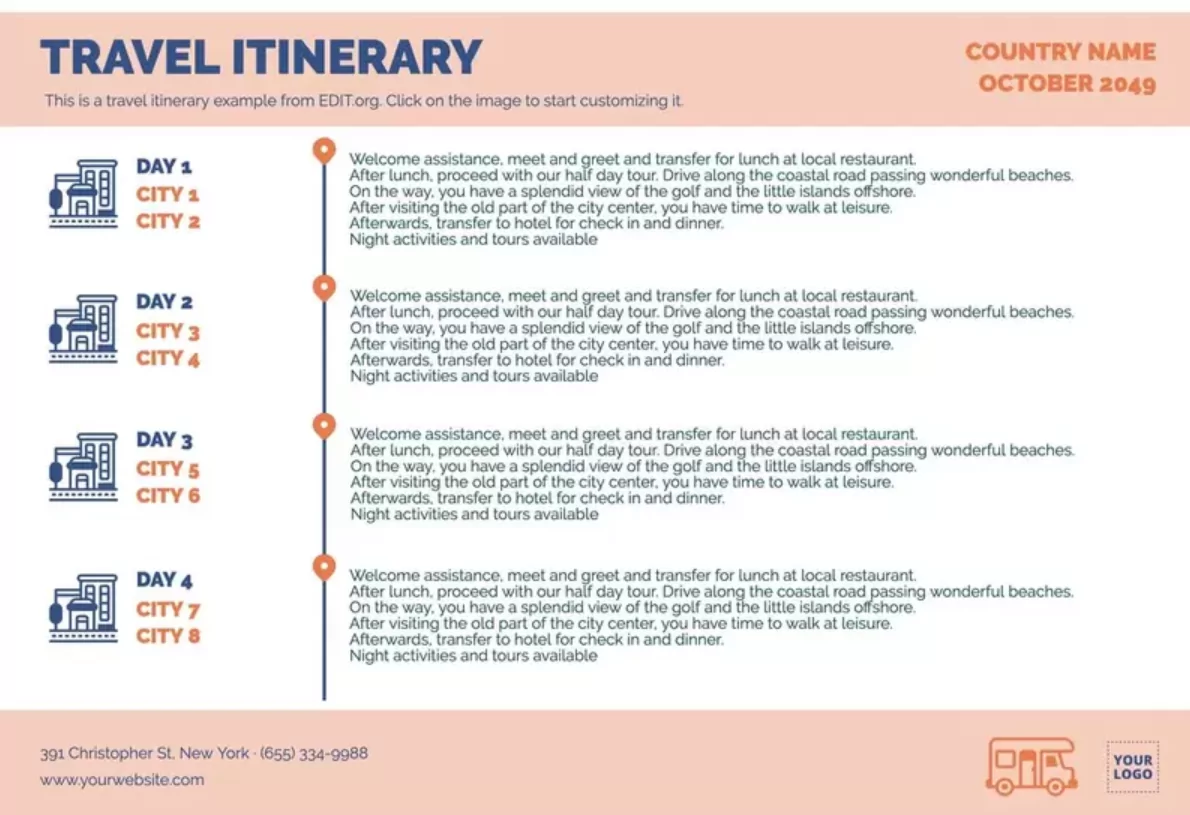
Early 2000s saw rapid expansion of web-based travel booking platforms with integrated calendar systems. Expedia, Priceline, and Kayak featured calendar-based price searching, showing costs across date ranges. These calendars revolutionized travel planning by enabling quick price comparisons across travel dates.
Google Calendar Integration
Google Calendar’s 2006 launch enabled travelers to create shared itineraries, coordinate with travel companions, and integrate booking confirmations. Email-to-calendar features automatically populated travel dates from booking confirmations.
Dedicated Travel Planning Apps
TripAdvisor, Kayak, and Hopper emerged with mobile apps featuring calendar-based itinerary planning. These apps combined calendars with user reviews, maps, and booking capabilities—creating comprehensive travel planning ecosystems.
Mobile Revolution: Smartphone Era (2010s)
Native Mobile Travel Apps
Smartphones transformed travel calendar functionality through GPS, real-time notifications, and mobile payment integration. TripIt, a travel itinerary app launched in 2007, pioneered automatic itinerary building from email confirmations—allowing users to forward booking emails to populate calendars automatically.
Key Innovations
- Automatic itinerary population from booking confirmations
- Offline access to travel calendars and maps
- Real-time flight tracking and alerts
- GPS-integrated point-of-interest calendars
- Social sharing of travel plans
Integration with Booking Platforms
Airbnb, Booking.com, and other platforms integrated calendar systems directly into properties listings, showing availability and enabling seamless reservations. Travel calendars evolved from planning tools to transaction platforms.
Modern Era: AI and Personalization (2020s)
AI-Powered Travel Planning
2020s travel calendars incorporate artificial intelligence providing intelligent recommendations. Machine learning algorithms analyze past travel patterns, preferences, and budget to suggest optimal travel dates, destinations, and itineraries.
Advanced Features
- Price prediction calendars showing optimal booking times
- Weather-integrated planning (comparing conditions across dates)
- Crowd-level predictions for popular destinations
- Personalized destination recommendations
- Carbon footprint calculations by travel date
Unified Travel Ecosystems
Modern travel calendars integrate with multiple services: booking platforms, navigation apps, payment systems, and communication tools. Google Maps, Apple Maps, and specialized apps like Roadtrippers create unified travel planning experiences where calendars coordinate with maps, restaurants, hotels, and attractions.
Social and Collaborative Planning
Travel calendars evolved from individual tools to collaborative platforms. Shared calendars allow group coordination, wish list features enable social sharing, and integration with social media creates community-driven planning. Platforms like Pinterest and Instagram enable travelers to discover and calendar-schedule group travel experiences.
Key Milestones in Travel Calendar Evolution
| Era | Period | Technology | Innovation |
|---|---|---|---|
| Ancient | 500 BCE – 1500 CE | Oral/Written Records | Route documentation |
| Industrial | 1700s-1900s | Printing/Paper | Published guidebooks |
| Modern Paper | 1900s-1980s | Paper/Travel Agents | Itinerary coordination |
| Early Digital | 1980s-1990s | Computer Systems | Digital reservations |
| Internet | 2000s | Websites/Email | Online booking calendars |
| Mobile | 2010s | Smartphones/Apps | Real-time notifications |
| AI Era | 2020s | AI/Machine Learning | Predictive recommendations |
The Evolution of Travel Calendar Features
From Single-Purpose to Multi-Functional
Early travel calendars served one purpose: marking travel dates. Modern calendars integrate planning, booking, navigation, communication, social sharing, and financial tracking into unified platforms.
From Static to Dynamic
Paper calendars were static, requiring rewrites for changes. Digital calendars enable real-time updates, with changes automatically syncing across devices and shared with travel companions instantly.
From Personal to Collaborative
Ancient travelers planned individually or within small trusted groups. Modern travel calendars facilitate large group coordination, social media sharing, and community-driven planning.
From Manual to Automated
Travelers historically entered all information manually. Modern calendars automatically populate from booking confirmations, pull real-time flight data, and integrate public event calendars.
The Future of Travel Calendars
Emerging trends suggest further evolution:
- Virtual reality integration: Preview destinations through VR before booking; calendar-triggered immersive experiences
- Blockchain for bookings: Decentralized, transparent travel calendars with smart contracts
- Sustainability tracking: Carbon-aware calendars optimizing travel dates for environmental impact
- Hyper-personalization: AI generating completely customized itineraries based on individual preferences
- Metaverse integration: Virtual travel planning experiences in metaverse environments
Conclusion
The travel planning calendar’s evolution from ancient route documentation to AI-powered digital ecosystems reflects broader technological progress and changing travel culture. Each era introduced innovations addressing contemporary challenges: printing enabled mass travel, computers automated reservations, internet created price transparency, smartphones added real-time flexibility, and artificial intelligence now delivers personalization at scale. Understanding this history provides perspective on how future innovations will continue shaping travel planning. In 2025, travel calendars represent sophisticated technology hubs combining planning, booking, navigation, and social coordination—a remarkable transformation from simple paper-based itineraries.
